What Good Stucco Prep Looks Like on a Riverside Home
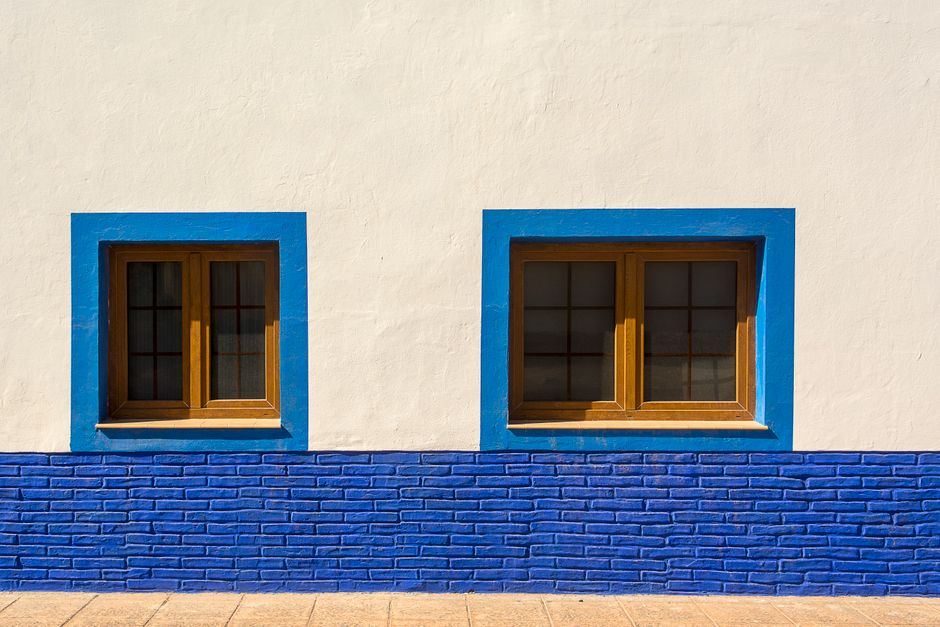
By the time the pressure washer is rolled back to the truck, the stucco has already shown whether it will hold paint. The surface is dull, chalky in places and crazed with hairlines, as the notes at painters riverside ca silver lake film festival describe for stucco homes in Riverside, CA. A painter who has seen enough of these walls treats the washing and testing as the main event and the painting as the easy part.
Washing and the chalk test
Years of sun in the Inland Empire break down the binder in old paint and leave a powder on the surface. Drag a dark cloth across the wall and a pale smear says chalking. Paint rolled over that powder bonds to the powder, not the wall, and peels in sheets. A wash with enough pressure to lift the chalk, followed by a full dry, comes first. The wall should be tested again afterwards, and a stubborn chalk calls for a masonry primer that grips what is left.
Cracks and patching

Hairline cracks usually take an elastomeric patch or a flexible caulk worked in with a brush. Wider cracks and spalled corners need patching with stucco patch material, shaped to the surrounding texture so the repair does not read as a smooth scar under a flat coat. Tapping the wall with a knuckle finds hollow areas where the stucco has let go of the lath, and those get flagged for a plasterer rather than painted over.
Caulk at the edges
Where stucco meets window frames, trim boards, pipes and light fixtures, a gap opens as the house moves. Caulk goes in after washing and before primer, tooled smooth, with a paintable acrylic latex formula. Silicone repels paint and is a bad choice for any joint that will be painted. Gaps left open pull water in behind the coating.
Dry air and primer timing
Riverside air is dry enough that porous stucco pulls moisture out of a primer or topcoat in minutes. A coat can set before it levels, leaving laps and a thin film. Spray and back roll the shade side of the house during the morning, and keep a wet edge. Bare patches get spot primer, and a heavily weathered wall may need a full coat of primer ahead of two coats of acrylic.
What to look for after prep
Finished prep looks boring: clean, dry, patched, caulked, primed in spots, with plants and windows masked and the ground covered. A crew that arrives and starts spraying the same morning has skipped the part that keeps the paint on the wall for a decade.